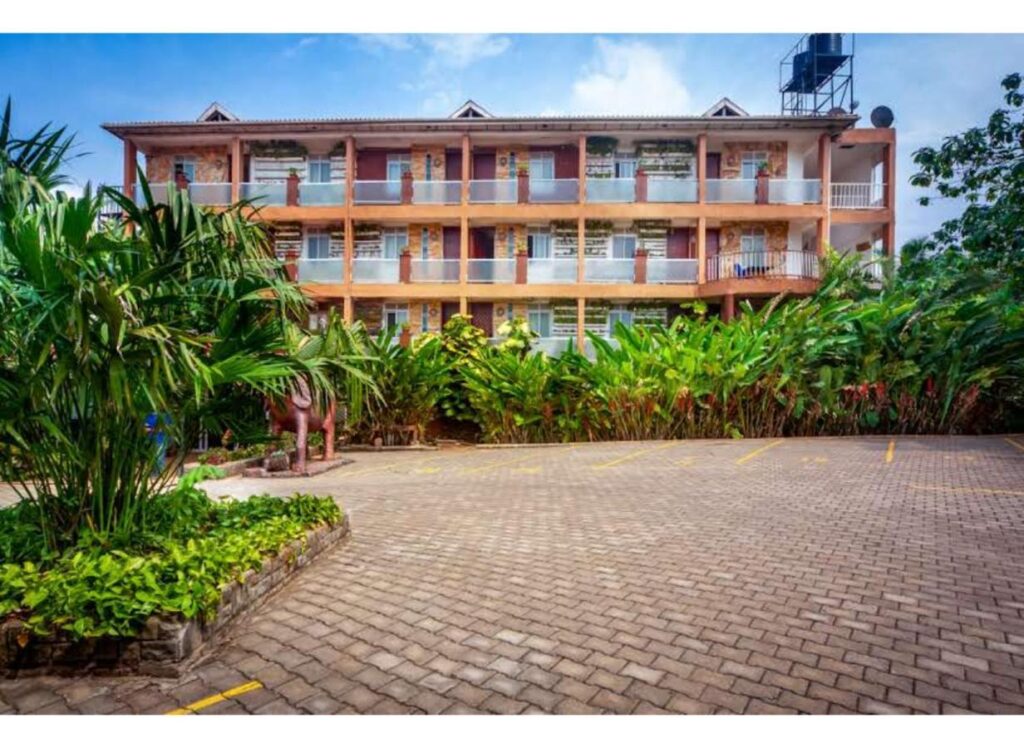
African Tribe Hotel: Unmatched Convenience in Kampala City
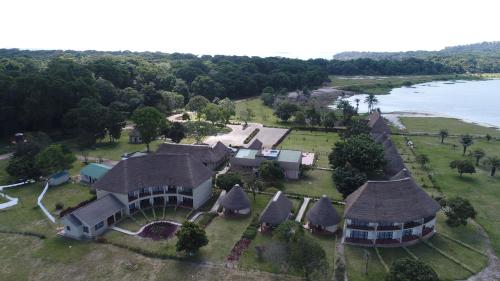
Located in the heart of Uganda’s bustling capital, African Tribe Hotel offers travelers an unparalleled experience combining comfort, culture, and convenience. Whether you’re visiting Kampala for business, leisure, or a cultural adventure, this hotel stands out as the perfect base to explore the city.
Prime Location in Kampala
Situated strategically in Kampala City, African Tribe Hotel provides easy access to key business districts, shopping centers, cultural landmarks, and entertainment hubs. Guests enjoy seamless connectivity to major transport routes, making city exploration effortless.
Authentic African Hospitality and Comfort
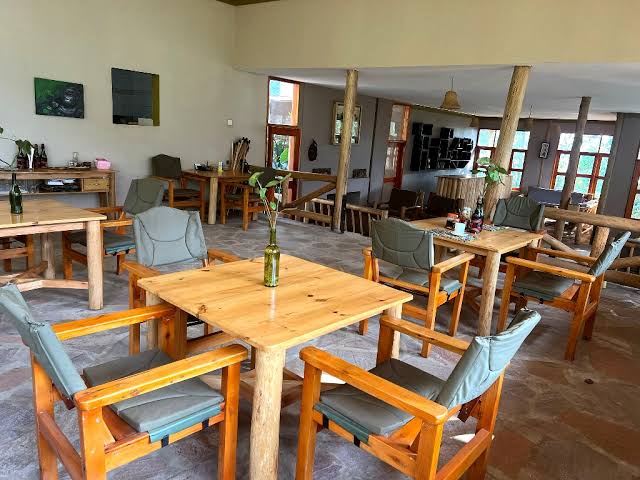
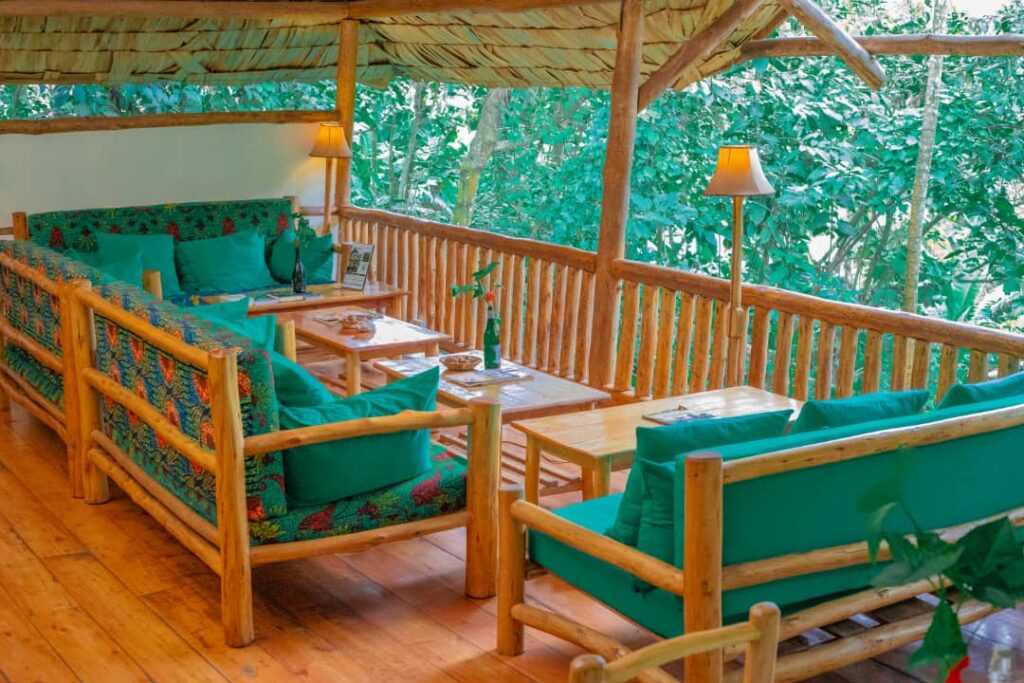
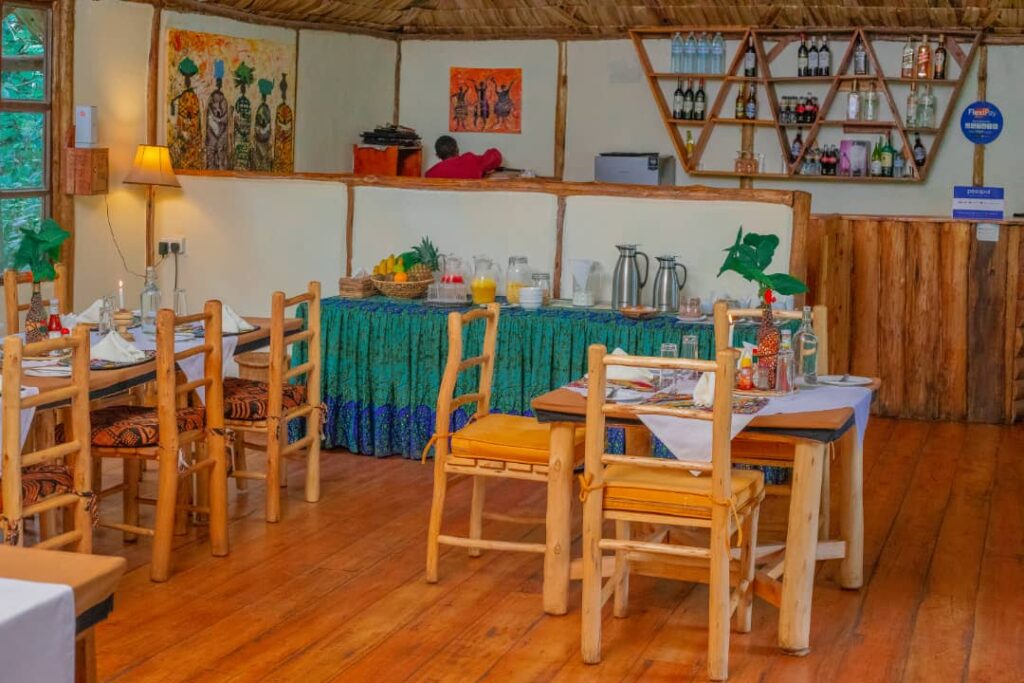
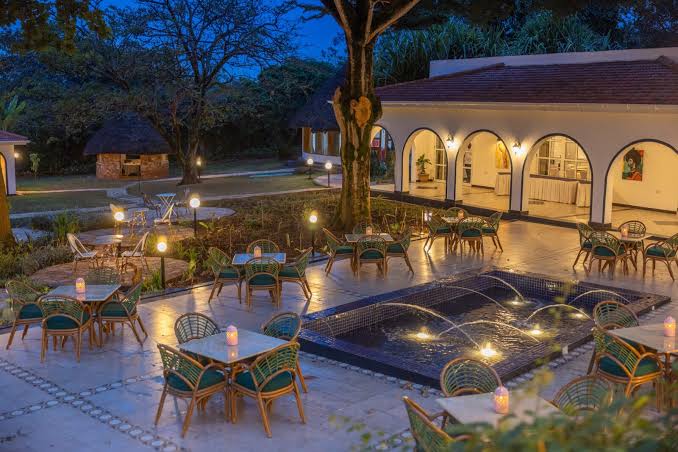
The hotel blends modern amenities with authentic African decor, creating a warm and welcoming environment. Guests can expect spacious rooms, free Wi-Fi, 24/7 customer service, and traditional cuisine that showcases Uganda’s rich culinary heritage.
Ideal for All Travelers
Whether you’re a solo traveler, family, or corporate guest, African Tribe Hotel caters to diverse needs. The hotel offers meeting rooms for business events, comfortable family suites, and personalized tour arrangements to local attractions.
Why Choose African Tribe Hotel?
Central Kampala location ensures convenience for all city activities.
Cultural ambiance gives guests a unique African experience.
Affordable luxury with top-notch facilities and services.
Easy access to Kampala’s key attractions like craft markets, museums, and nightlife.
For travelers seeking a blend of comfort, culture, and convenience in Kampala City, African Tribe Hotel is the ultimate choice. Book your stay today and experience the heart of Uganda like never before.
Optimize your stay in Kampala with African Tribe Hotel—where unmatched convenience meets authentic African charm.
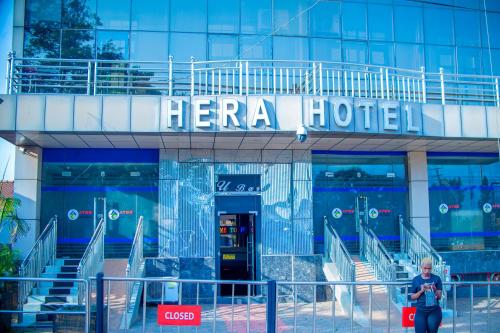
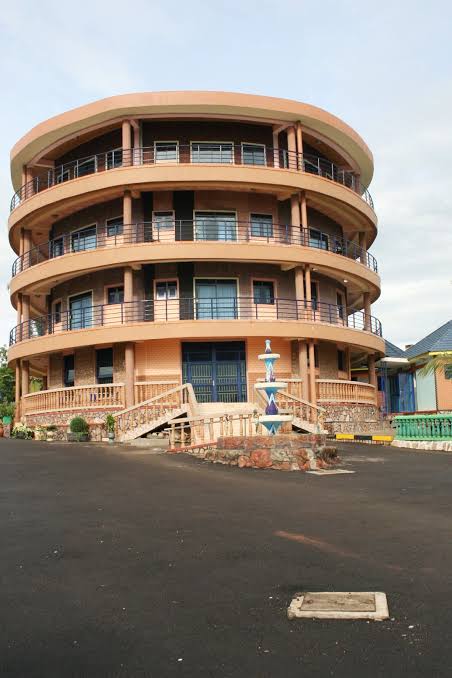
Stepping into Kampala’s bustling city life calls for a place that offers more than just a bed—it demands a sanctuary where elegance meets comfort. Welcome to Hera Hotel, your fancy retreat right in the heart of Uganda’s vibrant capital. Whether you’re here for business, leisure, or a special getaway, Hera Hotel promises an experience that blends sophistication with the warmth of local hospitality.
Located strategically within Kampala city, Hera Hotel makes it easy to explore the city’s top attractions, business hubs, and cultural sites. Its prime location means you’re always just minutes away from the pulse of the city while enjoying a peaceful, stylish environment to return to.
What Makes Hera Hotel Stand Out?
Luxurious Accommodations: From chic rooms to spacious suites, each space is thoughtfully designed with modern décor, plush bedding, and all the conveniences you need, including high-speed internet and entertainment options.
Exquisite Dining: The on-site restaurant serves a delightful mix of international dishes and local favorites, crafted from fresh ingredients to satisfy your palate at any time of day.
Exceptional Service: The friendly and professional staff at Hera Hotel go the extra mile to ensure your stay is seamless and memorable, making every guest feel truly valued.
Convenient Amenities: Whether you want to unwind at the fitness center, host a business meeting in well-equipped conference rooms, or celebrate a special event, Hera Hotel has you covered.
But it’s not just about the tangible luxuries—Hera Hotel is all about creating an atmosphere that feels welcoming and exclusive, where guests can relax and recharge in style. It’s a place where attention to detail meets genuine care, making your visit to Kampala not just comfortable but truly special.
Discover Kampala with Hera Hotel as Your Base
When you stay at Hera Hotel, you’re perfectly positioned to dive into everything Kampala has to offer—from lively markets and cultural landmarks to trendy cafes and nightlife. After a day of adventure or meetings, you can retreat to the calm and luxury of your hotel room, where every element is designed with your comfort in mind.
Whether it’s a weekend escape, a business trip, or a special occasion, Hera Hotel sets the scene for an unforgettable stay in Kampala city. Experience the perfect blend of fancy ambiance and heartfelt hospitality that makes Hera Hotel more than just a place to stay—it’s your home in Kampala.
Nestled in the heart of Kabale town, Heras Hotel offers a welcoming retreat for travelers seeking comfort, convenience, and a touch of Ugandan hospitality. Whether you’re visiting Kabale for business, leisure, or as a stopover on your way to the scenic Lake Bunyonyi, this hotel provides a cozy environment that makes every guest feel at home.
🛏️ Comfortable Accommodation
Heras Hotel is designed with guest comfort in mind. The rooms are spacious, well-furnished, and equipped with modern amenities to ensure a restful stay. From soft bedding to clean interiors, the hotel creates a relaxing atmosphere perfect for unwinding after a day of exploring Kabale’s rolling hills.
🍽️ Dining Experience
Guests can enjoy delicious meals prepared with fresh local ingredients. The hotel’s restaurant serves a variety of Ugandan and international dishes, making it easy to find something that suits your taste. Whether it’s a hearty breakfast to kickstart your day or a warm dinner after an evening stroll, the dining experience at Heras Hotel is both satisfying and memorable.
🌍 Prime Location
Located right in Kabale town, Heras Hotel offers easy access to key attractions and services. It’s a convenient base for travelers heading to Lake Bunyonyi, exploring the Kigezi Highlands, or preparing for gorilla trekking adventures in Bwindi Forest. The central location also makes it ideal for business visitors who need proximity to town facilities.
💡 Why Choose Heras Hotel?
Comfortable rooms with modern amenities
Delicious dining featuring local and international cuisine
Central location for easy access to attractions and services
Friendly staff who ensure guests feel welcome and cared for
✨ Final Thoughts
Heras Hotel stands out as a reliable choice for anyone visiting Kabale. With its blend of comfort, convenience, and warm hospitality, it’s more than just a place to stay—it’s a place to experience the charm of Kabale town.
If you’re dreaming of a luxury escape that blends adventure with serenity, Trackers Safari Lodge in Bwindi Impenetrable Forest National Park is the ultimate destination. This lodge offers a rare combination of opulence, eco-conscious design, and proximity to one of the world’s most extraordinary wildlife experiences — gorilla trekking.
🌿 Immersed in Nature
Located in the heart of Bwindi National Park, Trackers Safari Lodge is surrounded by misty hills, ancient trees, and diverse wildlife. Guests wake up to the sounds of tropical birds and breathtaking views of the forest canopy.
🏡 Luxury Accommodation
Elegant Suites: Spacious rooms with private balconies overlooking the forest.
Eco-Friendly Design: Built with sustainability in mind, blending modern comfort with natural surroundings.
Personalized Service: Butler assistance, fine linens, and curated interiors ensure every stay feels exclusive.
🍴 Dining & Culinary Experience
Gourmet Cuisine: A fusion of international flavors and Ugandan specialties.
Scenic Dining: Meals served with panoramic views of the forest, creating unforgettable moments.
🐾 Adventures Await
Gorilla Trekking: The highlight of any stay, offering close encounters with mountain gorillas.
Nature Walks: Guided hikes, birdwatching, and cultural visits to nearby communities.
Wellness Retreats: Spa treatments and yoga sessions to rejuvenate after a day of exploration.
✨ Why Stay at Trackers Safari Lodge?
Exclusive Luxury: A rare blend of wilderness immersion and five-star comfort.
Prime Location: Situated at the gateway to gorilla trekking trails.
Sustainable Tourism: Committed to conservation and supporting local communities.
Nestled deep within the heart of Bwindi Impenetrable Forest National Park, Gorilla Bluff Lodge offers a rare blend of tranquility, adventure, and eco-luxury. This enchanting retreat is designed for travelers seeking both serenity and unforgettable encounters with Uganda’s most iconic residents — the endangered mountain gorillas.
🏞 Location & Setting
Bwindi Impenetrable Forest: A UNESCO World Heritage Site, famous for its dense jungle, diverse wildlife, and breathtaking scenery.
Panoramic Views: The lodge sits on a bluff overlooking lush valleys, misty hills, and ancient rainforest.
Accessibility: Conveniently located near gorilla trekking trailheads, making it the perfect base for adventure.
🌿 Lodge Experience
Eco-friendly design: Built with sustainability in mind, blending natural materials with modern comfort.
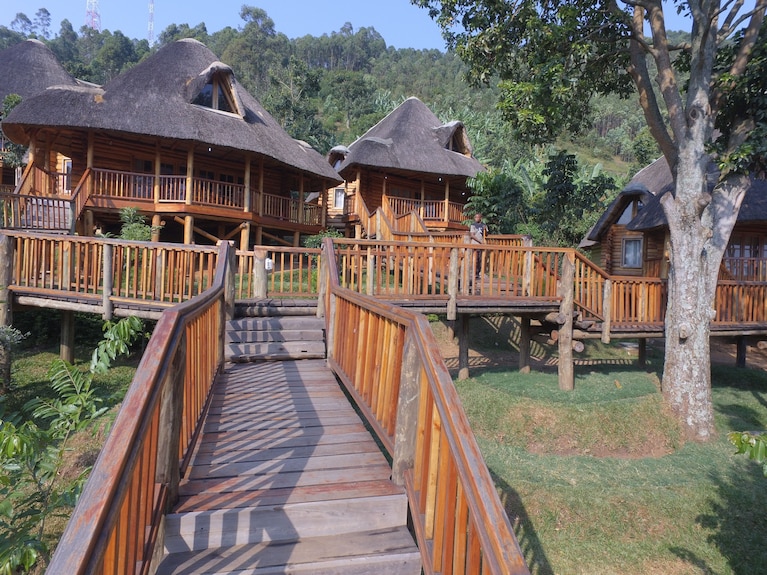
Nestled in the heart of Uganda’s magnificent Bwindi Impenetrable Forest National Park, Buhoma Gorilla Camp offers an unforgettable escape into one of Africa’s most remarkable wilderness destinations. Located in the Buhoma sector, the camp provides travelers with an exceptional opportunity to experience the beauty of the rainforest while enjoying a warm, comfortable and intimate stay.
Buhoma is renowned as one of the main gateways to Uganda’s thrilling mountain gorilla trekking experiences. Staying at Buhoma Gorilla Camp places visitors close to the forest, making it an ideal base for those eager to embark on an adventure in search of the endangered mountain gorillas. The anticipation of trekking through the ancient forest, followed by the magical encounter with gorillas in their natural habitat, creates memories that last a lifetime.
The camp’s natural setting adds greatly to the experience. Surrounded by lush vegetation and the sounds of the forest, guests can enjoy a peaceful atmosphere far removed from the noise and demands of everyday life. The accommodation combines a rustic safari atmosphere with essential comforts, allowing visitors to relax after a day of exploration.
Beyond gorilla trekking, Buhoma offers opportunities to discover the wider beauty of Bwindi. Guests can enjoy guided forest walks, birdwatching, community experiences and nature walks while discovering the rich biodiversity of the region. The forest is home to numerous bird species, butterflies, primates and unique plant life, making every excursion an opportunity for discovery.
One of the highlights of staying at Buhoma Gorilla Camp is the connection with the surrounding community. Travelers can experience aspects of local culture and learn more about the people whose lives are closely connected to Bwindi Forest. These encounters add a meaningful cultural dimension to an already exciting wildlife adventure.
Whether you are planning a once-in-a-lifetime gorilla trekking holiday, a romantic wilderness escape or an adventurous journey through southwestern Uganda, Buhoma Gorilla Camp offers a memorable place to stay. Here, the forest becomes part of the experience, adventure is never far away, and every morning brings the promise of something extraordinary.
Buhoma Gorilla Camp is more than accommodation—it is a gateway to the magic of Bwindi, where nature, adventure and unforgettable encounters come together.
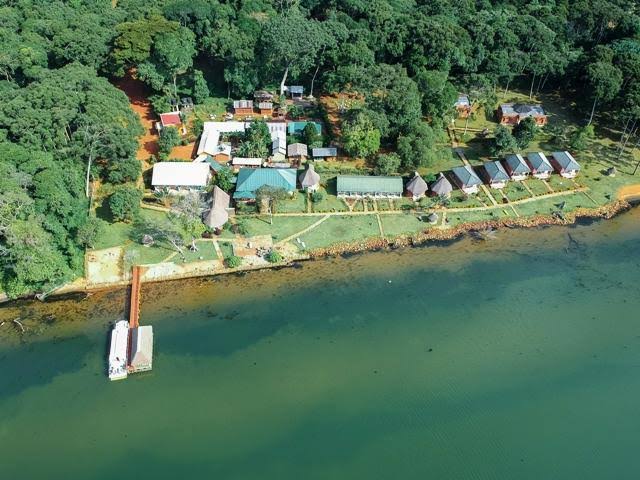
Imagine waking up to the gentle sound of Lake Victoria waves, breathing in fresh island air, and stepping outside to a beautiful stretch of sandy beach surrounded by nature. This is the experience waiting at Mirembe Resort Beach Hotel, a peaceful retreat on Bugala Island in Uganda’s spectacular Ssese Islands.
Located at Lutoboka Bay, Mirembe Resort Beach Hotel offers an inviting escape for travelers looking to slow down, reconnect with nature, and enjoy the simple pleasures of island life. The resort sits on a spacious beachfront property where tranquility, comfort, and recreation come together. (miremberesort.co.ug)
Where Peace Meets the Lake
The name Mirembe means “peace” in Luganda, and the resort beautifully reflects that meaning. The calm waters of Lake Victoria, refreshing breeze, sandy shoreline, and surrounding greenery create an atmosphere that makes it easy to leave the noise and pressure of everyday life behind. (miremberesort.co.ug)
For anyone seeking wellness, sometimes the greatest luxury is simply having the space to breathe, relax, and enjoy the moment.
Comfort with an Island Feel
Mirembe Resort Beach Hotel provides a selection of accommodation options designed for different types of travelers, including deluxe rooms, cottages, block houses, and family cottages. Many of the rooms offer lake views, allowing guests to wake up to the beauty of Lake Victoria. (miremberesort.co.ug)
The cottages bring an especially charming island atmosphere, with comfortable outdoor spaces where guests can sit back and enjoy the surroundings. Whether traveling as a couple, family, group, or solo adventurer, the resort offers an appealing base for discovering the Ssese Islands.
Wellness Beyond the Spa
Wellness at Mirembe is not limited to traditional treatments. It can be found in the experience itself—from peaceful walks along the beach and time spent beside the lake to outdoor activities and quiet moments surrounded by nature.
Guests can enjoy activities such as boat rides, fishing, forest walks, cycling, and beach recreation. The resort also features gardens, a fitness center, a gym, a restaurant, a bar, and spaces for bonfires and outdoor relaxation. (miremberesort.co.ug)
As the sun begins to set over Lake Victoria, the changing colors of the sky provide a spectacular backdrop for an evening of relaxation. A lakeside sunset, a delicious meal, and the warmth of a campfire can turn an ordinary evening into a memorable island experience.
A Taste of Ssese Island
Dining is another part of the Mirembe experience. The resort’s restaurant provides guests with a convenient place to enjoy meals while surrounded by the relaxed atmosphere of the island. The property also features a bar and outdoor spaces that encourage guests to spend more time enjoying the natural surroundings. (miremberesort.co.ug)
For travelers interested in experiencing more than a hotel stay, the surrounding Ssese Islands offer opportunities to explore local scenery, communities, beaches, and Lake Victoria.
Your Island Escape Awaits
Mirembe Resort Beach Hotel is more than a place to spend the night—it is an invitation to slow down. Its peaceful beachfront setting, comfortable accommodation, recreational activities, and connection with nature make it an attractive choice for travelers looking for a refreshing getaway in Uganda.
Whether you are planning a romantic weekend, a family holiday, a group retreat, or simply need a break from the busy city, Mirembe Resort Beach Hotel offers a chance to rediscover relaxation in the heart of the Ssese Islands.
Wellness, here, is re-imagined as peace, nature, comfort, and unforgettable moments beside Lake Victoria.
Mirembe Resort Beach Hotel is located at Lutoboka Bay, Bugala Island, Kalangala District, Ssese Islands, Uganda. (miremberesort.co.ug)
Victoria Forest Resort: Escape into a Lovely Retreat
If you are looking for a peaceful island getaway where the beauty of nature meets comfortable accommodation, Victoria Forest Resort is a wonderful place to consider. Located on Bugala Island in Uganda’s Ssese Islands, the resort sits along the shores of Lake Victoria, offering visitors an inviting setting for relaxation, exploration, and memorable moments. (Uganda Bookings)
A Peaceful Island Escape
Victoria Forest Resort provides a refreshing change from the noise and busy pace of city life. Surrounded by tropical greenery and the tranquil waters of Lake Victoria, the resort creates an atmosphere where guests can slow down, breathe deeply, and enjoy the natural beauty of the Ssese Islands.
Its location on Bugala Island—the largest island in the Ssese archipelago—makes it an excellent base for discovering the island’s beaches, forests, local communities, and lakeside scenery. (Uganda Bookings)
Comfortable Accommodation
The resort offers a selection of rooms and cottages designed to provide a comfortable stay. Accommodation options include cottages and rooms with modern touches, private bathrooms, and other amenities intended to make guests feel at home during their island holiday. (Uganda Bookings)
Whether you are travelling as a couple, with family, or simply seeking some personal time away, the peaceful surroundings provide an ideal backdrop for rest and rejuvenation.
Enjoy the Beauty of Lake Victoria
One of the highlights of staying at Victoria Forest Resort is its lakeside setting. Guests can take in beautiful views of Lake Victoria, spend relaxing moments on the sandy beach, or simply enjoy the calming sounds of the water.
The resort also features an outdoor swimming pool and tropical gardens, providing additional spaces for guests to unwind without having to leave the property. (Uganda Bookings)
Nature and Island Adventures
For travellers who enjoy nature, the Ssese Islands offer plenty to discover. Bugala Island is surrounded by lush vegetation and is known for its beautiful natural environment and birdlife. Nearby Lutoboka Forest adds another dimension to the island experience, making the area appealing to visitors who enjoy forest walks, birdwatching, and nature exploration. (Tripadvisor)
The island atmosphere also makes the resort a great starting point for experiencing local culture and the relaxed lifestyle of the Ssese Islands.
A Destination for Relaxation
Victoria Forest Resort is particularly appealing to travellers who want to combine comfort with a peaceful natural setting. From relaxing beside the pool to enjoying the beach and exploring the surrounding island, there are opportunities to create a holiday at your own pace.
For couples seeking a romantic escape, families looking for a refreshing break, or travellers wanting to experience a different side of Uganda, the resort offers an appealing island retreat.
Your Lovely Ssese Islands Getaway
A visit to Victoria Forest Resort is more than simply spending a night away from home—it is an opportunity to experience the tranquillity and natural charm of Uganda’s Ssese Islands. With Lake Victoria views, sandy beaches, tropical surroundings, comfortable accommodation, and opportunities for nature-based activities, the resort provides a lovely setting for an unforgettable getaway. (Uganda Bookings)
If your next holiday calls for peaceful surroundings, beautiful scenery, and an escape from everyday routines, Victoria Forest Resort in the Ssese Islands deserves a place on your Uganda travel list.
Nestled in the beautiful city of Mbale, Mt. Elgon Hotel offers a welcoming retreat for travelers seeking comfort, relaxation, and a memorable stay in eastern Uganda. With the majestic slopes of Mount Elgon nearby and Mbale’s vibrant atmosphere at its doorstep, the hotel provides a convenient base for both leisure and business travelers.
A Comfortable Retreat in Mbale
After a long journey or an exciting day exploring Mbale, Mt. Elgon Hotel offers a peaceful place to relax and recharge. Its accommodation is designed to give guests a comfortable environment where they can settle in, enjoy some quiet time, and wake up refreshed for another day.
The hotel’s welcoming atmosphere makes it suitable for visitors looking for a relaxing getaway, couples planning a short escape, families exploring the region, and business travelers visiting Mbale.
Discover the Beauty of Eastern Uganda
One of the highlights of staying at Mt. Elgon Hotel is the opportunity to explore the attractions around Mbale. The city is a gateway to the Mount Elgon region, known for its dramatic landscapes, lush greenery, waterfalls, coffee-growing communities, and rich cultural experiences.
Adventure seekers can use Mbale as a starting point for excursions toward Mount Elgon, while travelers who prefer a slower pace can enjoy the city and its surrounding countryside.
A Convenient Base for Every Traveler
Whether you are visiting Mbale for business or pleasure, location matters. Mt. Elgon Hotel provides a practical base from which guests can experience the city and explore the wider eastern Uganda region.
Spend your day discovering local attractions, meeting the welcoming people of the region, or simply enjoying the scenery. When evening comes, return to the comfort of the hotel and unwind.
Your Dreamy Mbale Escape
A great getaway is about more than just a place to sleep—it is about feeling comfortable, relaxed, and connected to your destination. Mt. Elgon Hotel brings these elements together in a setting that makes exploring Mbale and eastern Uganda enjoyable.
For travelers looking for a comfortable stay with easy access to the attractions of Mbale and the Mount Elgon region, Mt. Elgon Hotel is a destination worth considering.
Planning a trip to Mbale? Make Mt. Elgon Hotel part of your eastern Uganda experience and unwind into a dreamy getaway surrounded by the beauty and charm of one of Uganda’s most captivating regions.
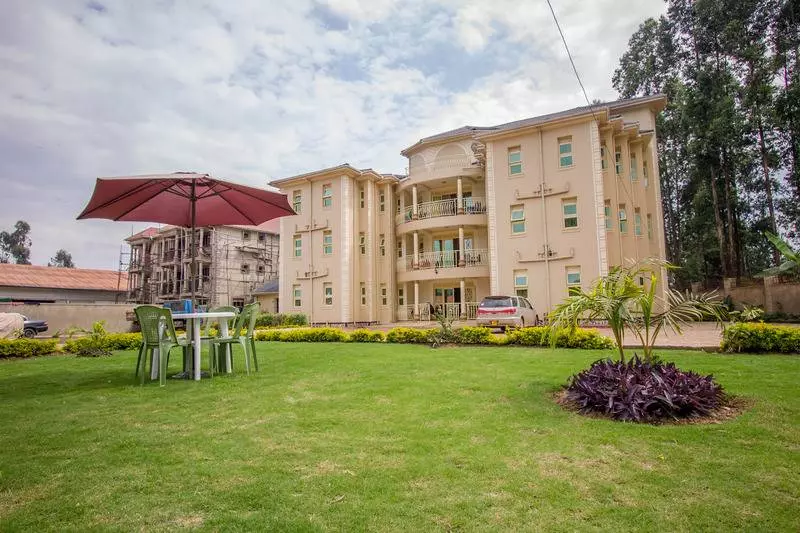
Nestled in the beautiful surroundings of Kyenjojo, Tooro Royal Cottages offers visitors a welcoming retreat where comfort, tranquillity, and the charm of western Uganda come together. Whether you are travelling for business, leisure, or exploring the attractions of the Tooro region, this accommodation provides a relaxing base from which to enjoy your stay.
A Peaceful Escape in Kyenjojo
Kyenjojo is a growing town in western Uganda, known for its scenic landscapes, welcoming communities, and convenient location for travellers exploring the wider Tooro region. Away from the hustle and bustle of larger cities, Tooro Royal Cottages provides an atmosphere suited to guests looking for rest and privacy.
The cottages offer a homely setting where visitors can unwind after a long journey or a day of exploring. The peaceful surroundings make the accommodation suitable for both short visits and extended stays.
Comfort and Convenience
At Tooro Royal Cottages, guests can expect an environment designed with relaxation in mind. The accommodation provides a comfortable place to sleep, refresh, and recharge while enjoying the hospitality of Kyenjojo.
Its location also makes it a practical choice for travellers passing through the area, visitors attending business engagements, and tourists using Kyenjojo as part of their western Uganda journey.
Discover the Beauty of the Tooro Region
Staying at Tooro Royal Cottages gives travellers an opportunity to experience more than just a comfortable room. Kyenjojo provides a gateway to the natural beauty and cultural experiences of western Uganda.
From scenic countryside and local communities to the wider attractions of the Tooro region, visitors can use their stay as a starting point for discovering the character of this part of Uganda. The area is particularly appealing to travellers who enjoy peaceful environments and experiences away from crowded tourist centres.
A Suitable Choice for Different Travellers
Whether you are visiting Kyenjojo for a weekend getaway, a business trip, a family visit, or as part of a wider Uganda adventure, Tooro Royal Cottages can provide a convenient and relaxing place to stay.
The accommodation’s welcoming atmosphere makes it a suitable option for travellers who value simplicity, privacy, and a peaceful environment.
Plan Your Stay at Tooro Royal Cottages
For travellers looking for accommodation in Kyenjojo, Tooro Royal Cottages presents an appealing combination of a tranquil setting and convenient access to the town and surrounding attractions.
If you are planning to explore western Uganda, consider making Tooro Royal Cottages part of your travel experience. It is a place where visitors can slow down, enjoy the peaceful side of Kyenjojo, and create memorable moments in the heart of the Tooro region.
Tooro Royal Cottages — a royal getaway where comfort meets the tranquillity of Kyenjojo.