
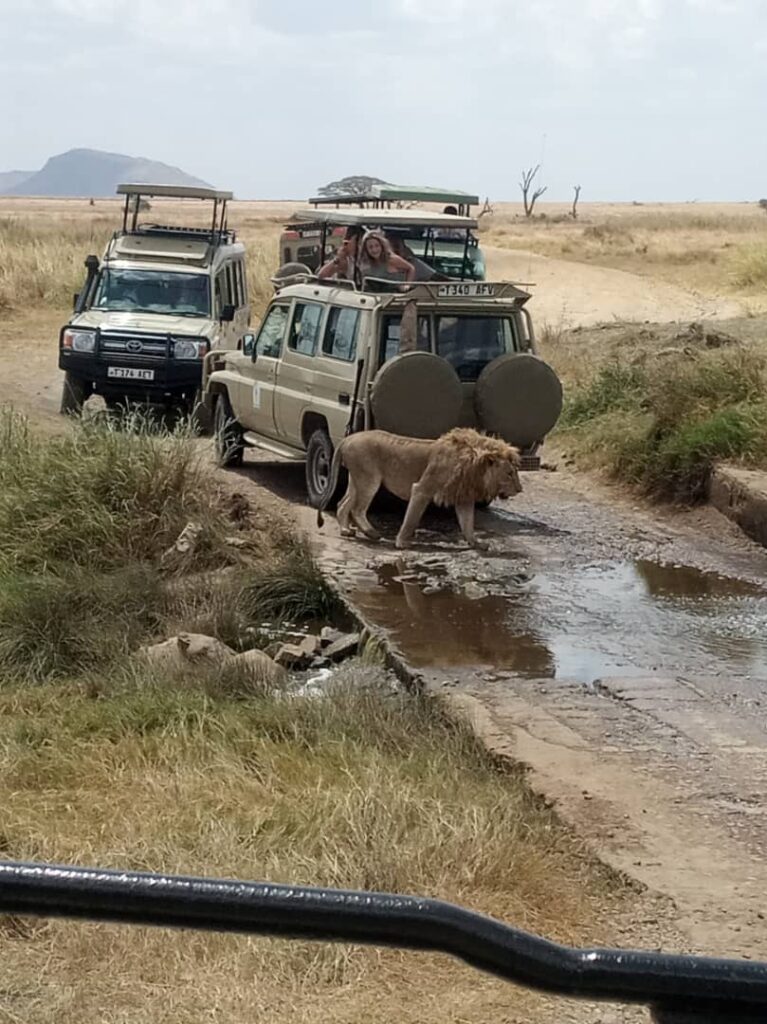
A balanced African safari usually comes from keeping the itinerary simple and realistic. The best trips often focus on one region or a small number of parks, with enough time in each place instead of trying to cover too much. This gives travelers a better chance to enjoy wildlife, landscapes, and the overall pace without feeling rushed.
One of the most important planning points is matching the destination and season to the traveler’s main interest. Some people care most about big cats, some want the Great Migration, some prefer birdlife, scenery, or a quieter experience. Choosing parks based on those priorities usually leads to a much more rewarding African safari than selecting places only because they are famous.
A common mistake early planners make is underestimating travel time. Distances between parks, road conditions, flight schedules, and park entry timings can make a trip feel tiring if too many stops are added.
Another mistake is expecting constant dramatic sightings. Safari is most enjoyable when people allow for the natural unpredictability of wildlife and give themselves enough game-drive time.
In most cases, the best approach is to prioritize quality over quantity: fewer parks, more nights, and a pace that includes time to rest.
A well-balanced itinerary usually combines good wildlife areas, suitable accommodation, and realistic travel logistics within the available budget. That approach often creates a safari that feels both rewarding and comfortable.