Buffalo Safari Lodge: A Queen Elizabeth National Park Odyssey

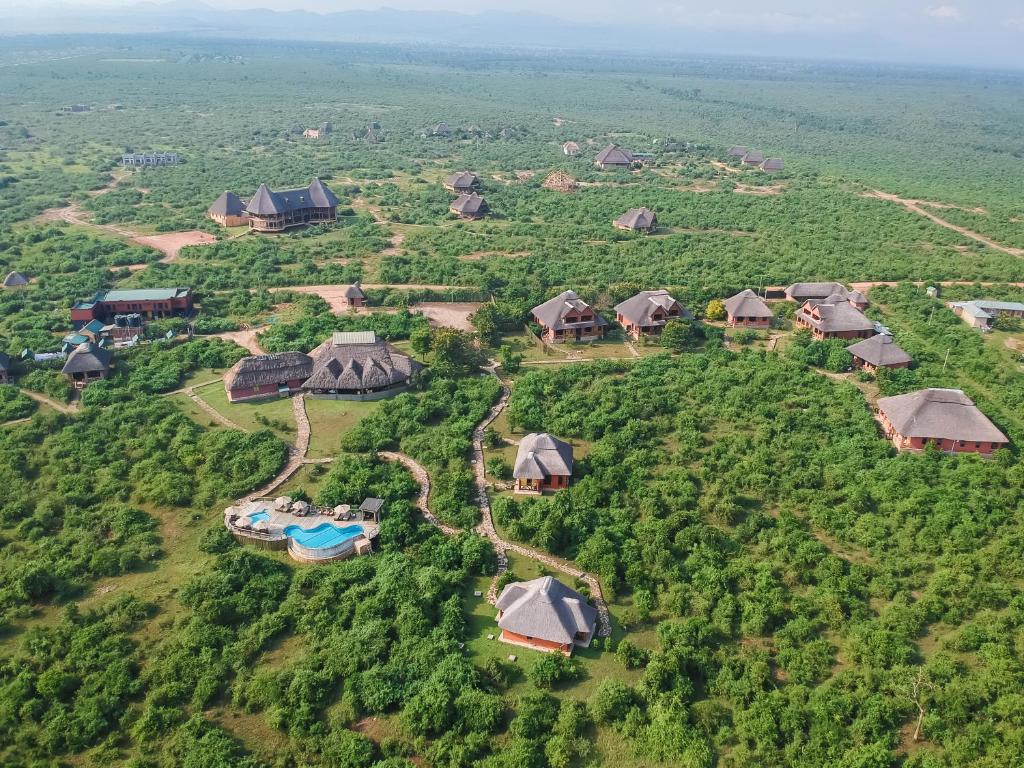
Buffalo Safari Lodge is one of the standout comfort-and-adventure stops near Queen Elizabeth National Park, Uganda. 

Tucked along the edge of breathtaking scenery, the lodge offers a perfect base for travelers who want to combine wildlife encounters with relaxed evenings after a day on safari. 

On this Destination Uganda blog, Buffalo Safari Lodge is featured for its welcoming atmosphere, convenient location for park exploration, and the kind of Ugandan hospitality that makes you feel at home the moment you arrive.

From early morning game drives to unforgettable moments of spotting animals in their natural habitat, your stay at Buffalo Safari Lodge places you close to the action—while still giving you a calm, peaceful retreat when you return. 

Whether you’re planning a honeymoon safari, a family holiday, or a classic Uganda wildlife experience, this lodge helps turn your Queen Elizabeth National Park trip into a truly memorable journey.

About BICOWA Community Organization

BICOWA Community Tourism Organization (Near Kibale Forest National Park) 

BICOWA Community Tourism Organization is a community-led tourism initiative based in the areas surrounding Kibale Forest National Park in western Uganda. Through locally guided experiences, BICOWA connects visitors with the natural environment and everyday life of the communities that live close to the forest—while supporting conservation awareness and responsible tourism.

Community-Based Tourism 

At the heart of BICOWA’s work is community tourism—meaning tours and tourism activities are organized in ways that involve local residents, build skills and livelihoods, and encourage visitors to respect both people and habitat. Community engagement is central to BICOWA’s approach, helping ensure that tourism benefits are felt locally rather than only by outside operators.

Swamp Walk Tours 

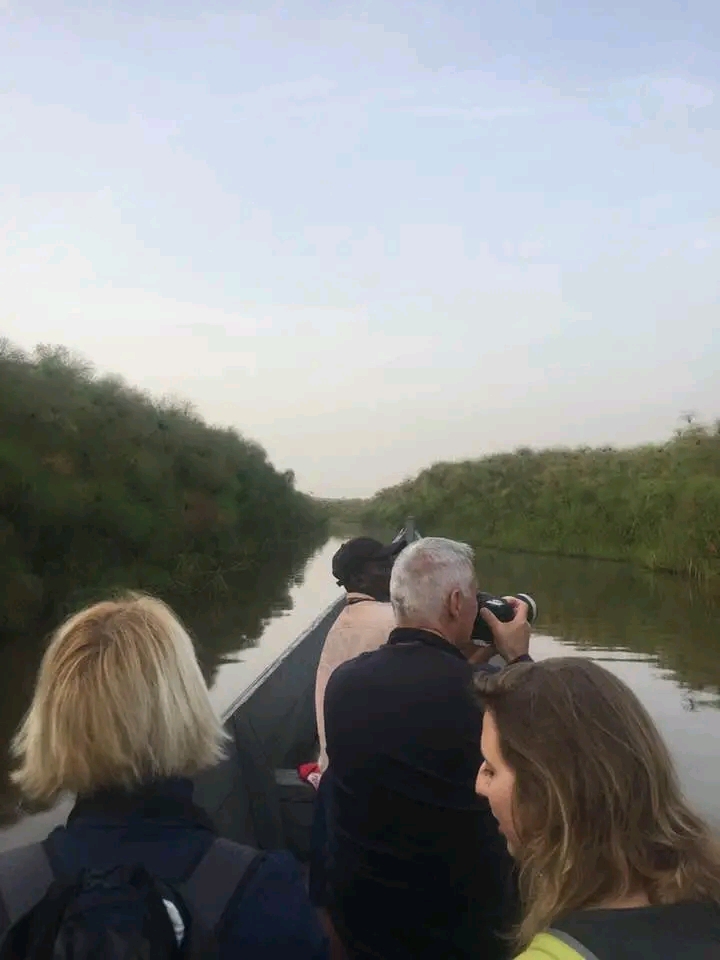
One of BICOWA’s signature experiences is swamp walk tours. These tours take visitors into wetland and swamp ecosystems near Kibale Forest—habitats that are rich in biodiversity and crucial for the wider ecology of the region. During the walk, guides typically help guests understand how the swamp ecosystem functions, point out wildlife and plant life, and explain local ways of observing and interacting with the environment responsibly.

Swamp walks are a great option for travelers who want a nature experience beyond standard forest activities—offering a different landscape, quieter exploration, and opportunities to learn about wetland conservation.

What Visitors Can Expect 

Depending on the specific route and season, guests can expect:

Guided swamp walk experiences with local knowledge Interpretation of biodiversity (plants, habitats, and signs of wildlife) Community interaction, including stories and insights from local guides A focus on conservation-minded tourism and respectful behavior in sensitive habitats Why Visit with BICOWA 

Visitors choose BICOWA Community Tourism Organization not only for the experience, but also for the impact. By participating in community-led tours—especially swamp walk tours—guests help strengthen local stewardship of the environment while supporting community livelihoods linked to tourism.

Wildlife Viewing Priorities – Should Safaris Focus on Iconic Species or Rare Finds

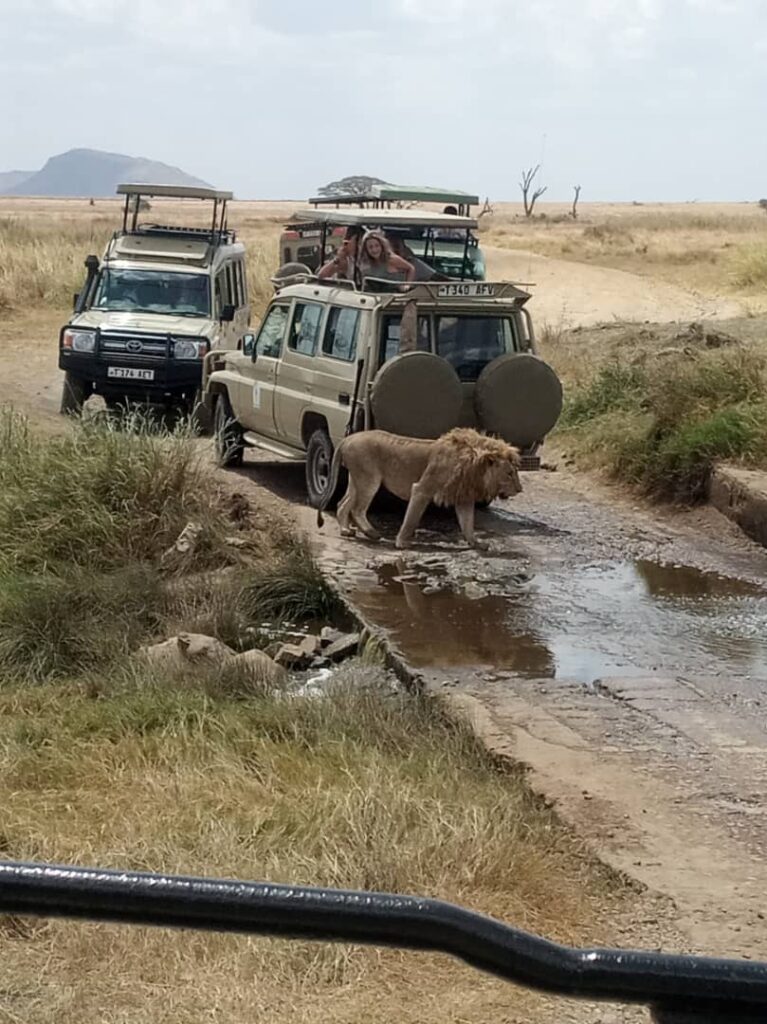
Safari experiences are often defined by what animals visitors hope to see. Some travelers prioritize iconic species like lions, elephants, and leopards for their drama and recognizability.

These “must-see” animals can make a trip feel like a classic safari and often create the most memorable photos.

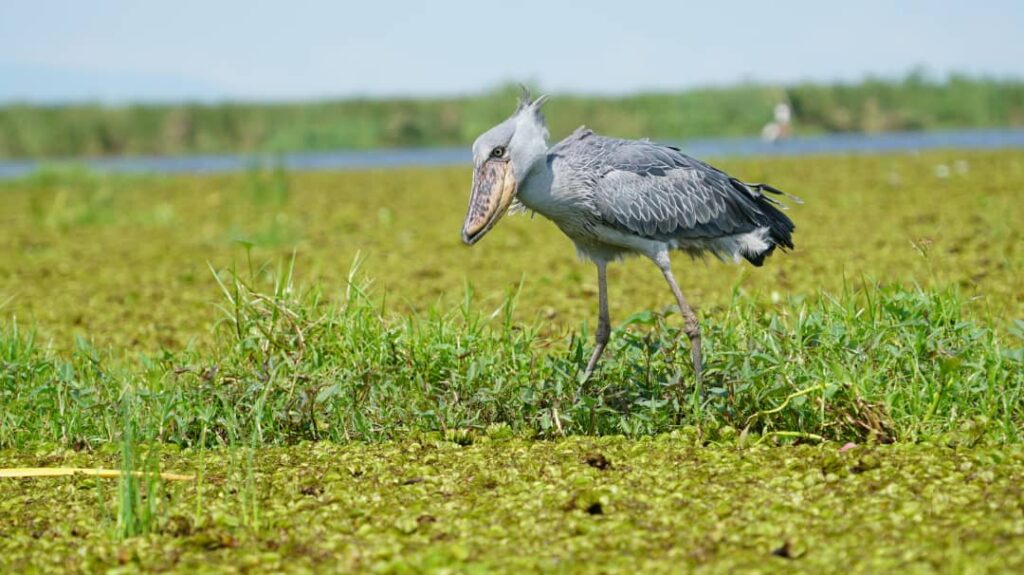
Others argue that rare or elusive species, such as pangolins, wild dogs, or unusual birds, provide a deeper connection to the ecosystem.

Tracking these animals demands patience and expertise, rewarding travelers with unique sightings that few others experience.

This balance often sparks debate: should guides focus on guaranteed encounters with big names, or dedicate time and effort to the thrill of rarity and unpredictability?

Ethical considerations also play a role, as chasing rare species can risk disturbing them.

From a traveler’s perspective, what matters more—the excitement of seeing iconic animals or the thrill of spotting something truly uncommon?

Can a safari feel complete without prioritizing one over the other, or is a mix essential for a memorable experience?

Choosing the Best Safari Company: What Really Matters

The best safari company is rarely defined by flashy marketing or bold claims alone. What sets a strong operator apart is deep local knowledge, experienced guides, and realistic itinerary planning that matches conditions on the ground. 

Companies that understand animal behavior, seasonal movement, and park dynamics tend to deliver richer experiences even when sightings are unpredictable.

Clear communication before the trip also matters, especially around expectations, travel times, and what a typical day in the bush actually looks like.

Guide quality is often the biggest difference between an average safari and a memorable one. Skilled guides read tracks, interpret behavior, manage vehicle etiquette, and adapt plans when things are slow. 

A good company invests in training and retention, not just vehicles and lodges. Asking how guides are selected, trained, and supported can reveal far more than looking at accommodation photos alone.

Ethics and responsibility are another key factor. Reputable safari companies respect park rules, avoid crowding wildlife, and prioritize animal welfare over dramatic photos. 

They also tend to be transparent about conservation fees and community impact without overselling their role. How a company talks about conservation often reflects how seriously it is taken on the ground.

For travelers, the right safari company is the one that aligns with personal priorities. Some value comfort and smooth logistics; others want long days in the field and flexible plans. The real question is not which company claims to be the best, but which one understands what kind of safari experience actually matters to you.

Planning a balanced African Safari

A balanced African safari usually comes from keeping the itinerary simple and realistic. The best trips often focus on one region or a small number of parks, with enough time in each place instead of trying to cover too much. This gives travelers a better chance to enjoy wildlife, landscapes, and the overall pace without feeling rushed.

One of the most important planning points is matching the destination and season to the traveler’s main interest. Some people care most about big cats, some want the Great Migration, some prefer birdlife, scenery, or a quieter experience. Choosing parks based on those priorities usually leads to a much more rewarding African safari than selecting places only because they are famous.

A common mistake early planners make is underestimating travel time. Distances between parks, road conditions, flight schedules, and park entry timings can make a trip feel tiring if too many stops are added. 

Another mistake is expecting constant dramatic sightings. Safari is most enjoyable when people allow for the natural unpredictability of wildlife and give themselves enough game-drive time.

In most cases, the best approach is to prioritize quality over quantity: fewer parks, more nights, and a pace that includes time to rest. 

A well-balanced itinerary usually combines good wildlife areas, suitable accommodation, and realistic travel logistics within the available budget. That approach often creates a safari that feels both rewarding and comfortable.